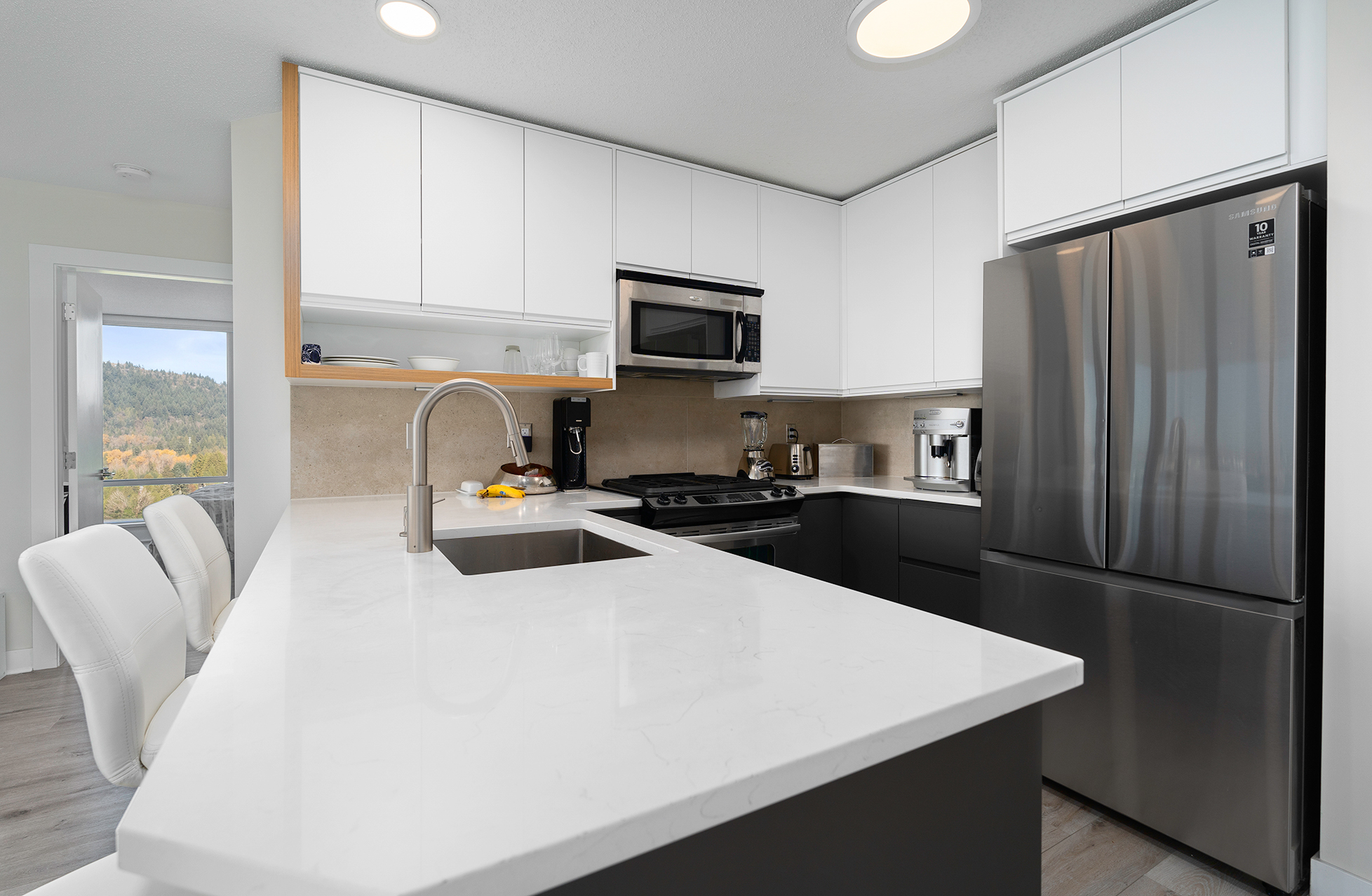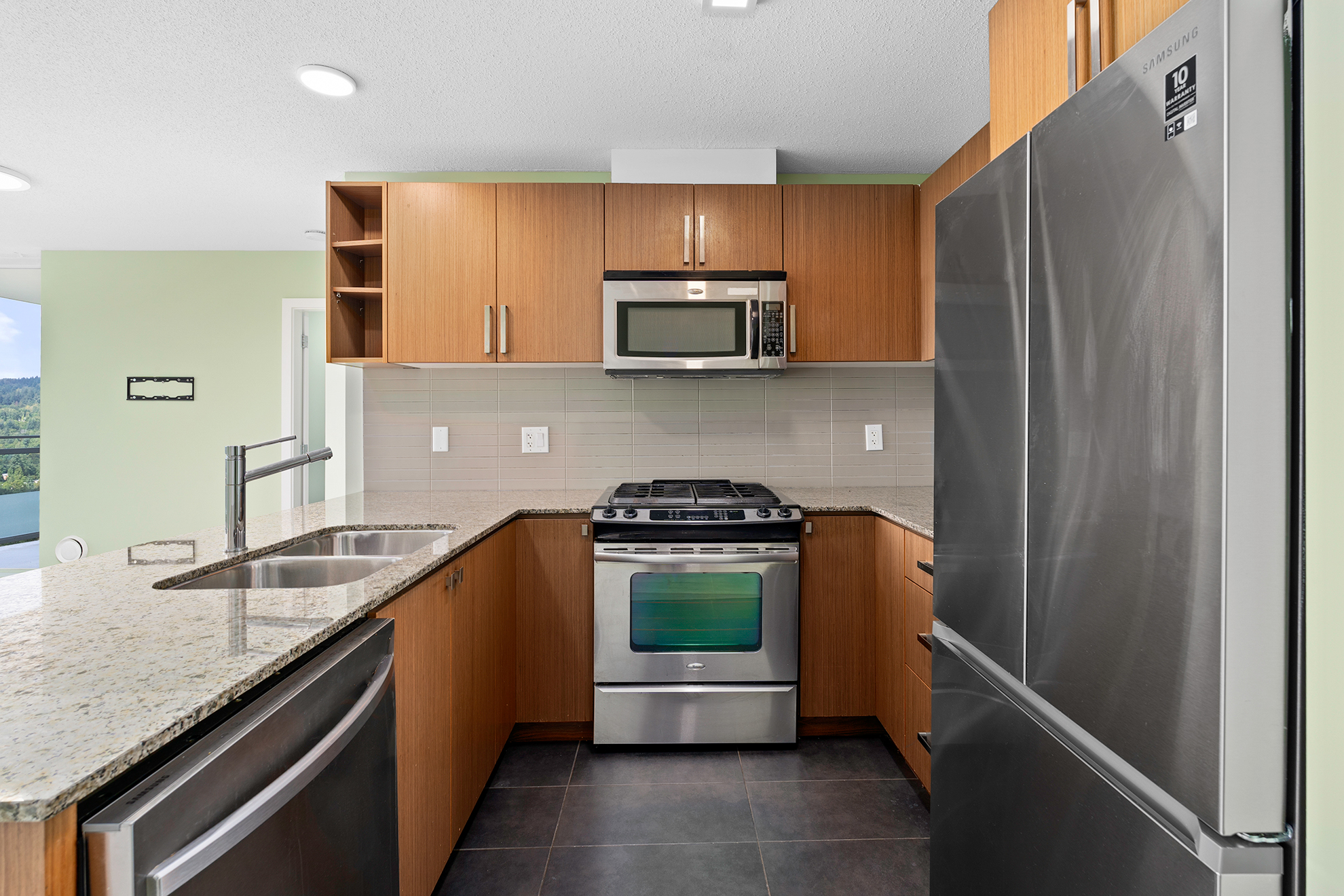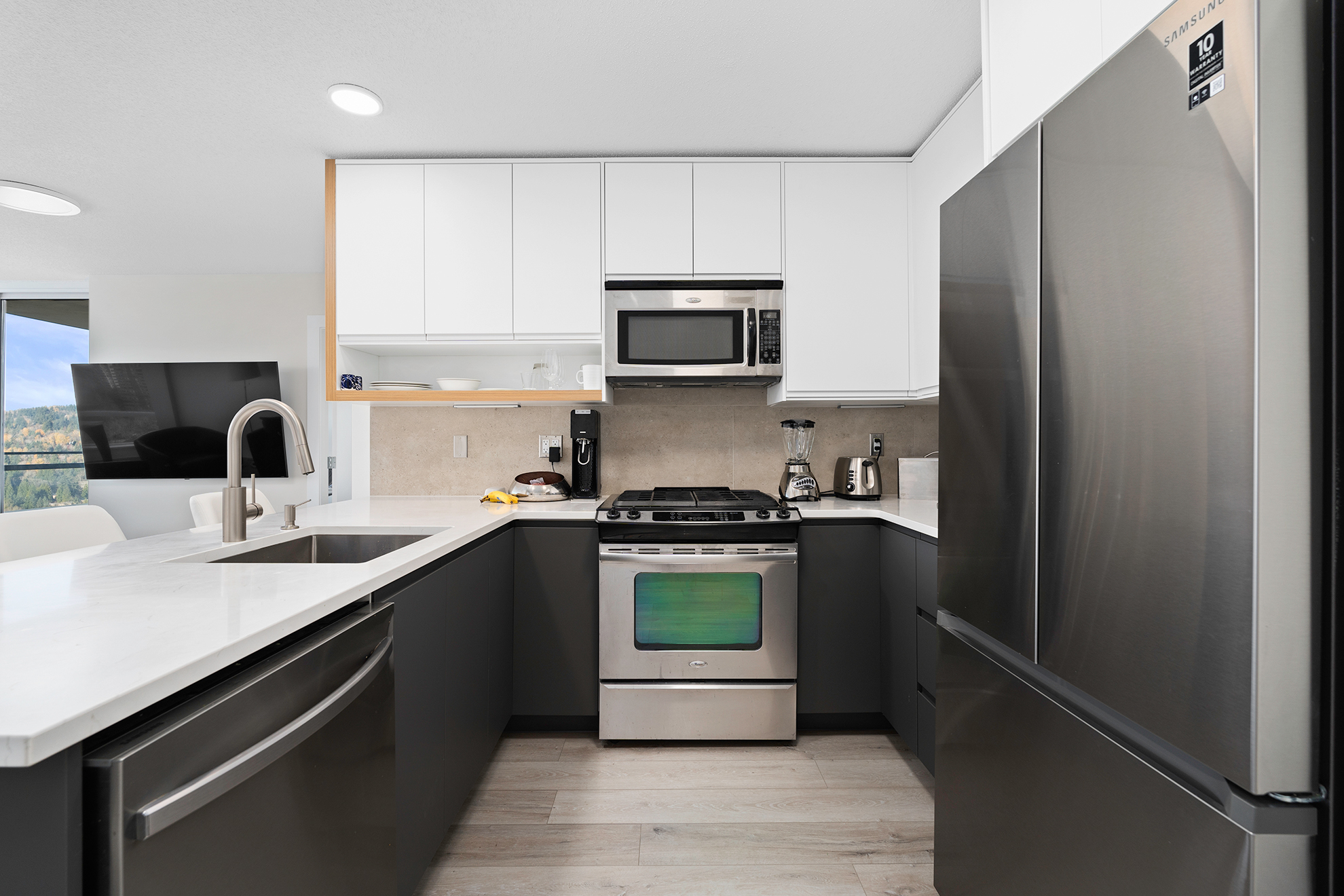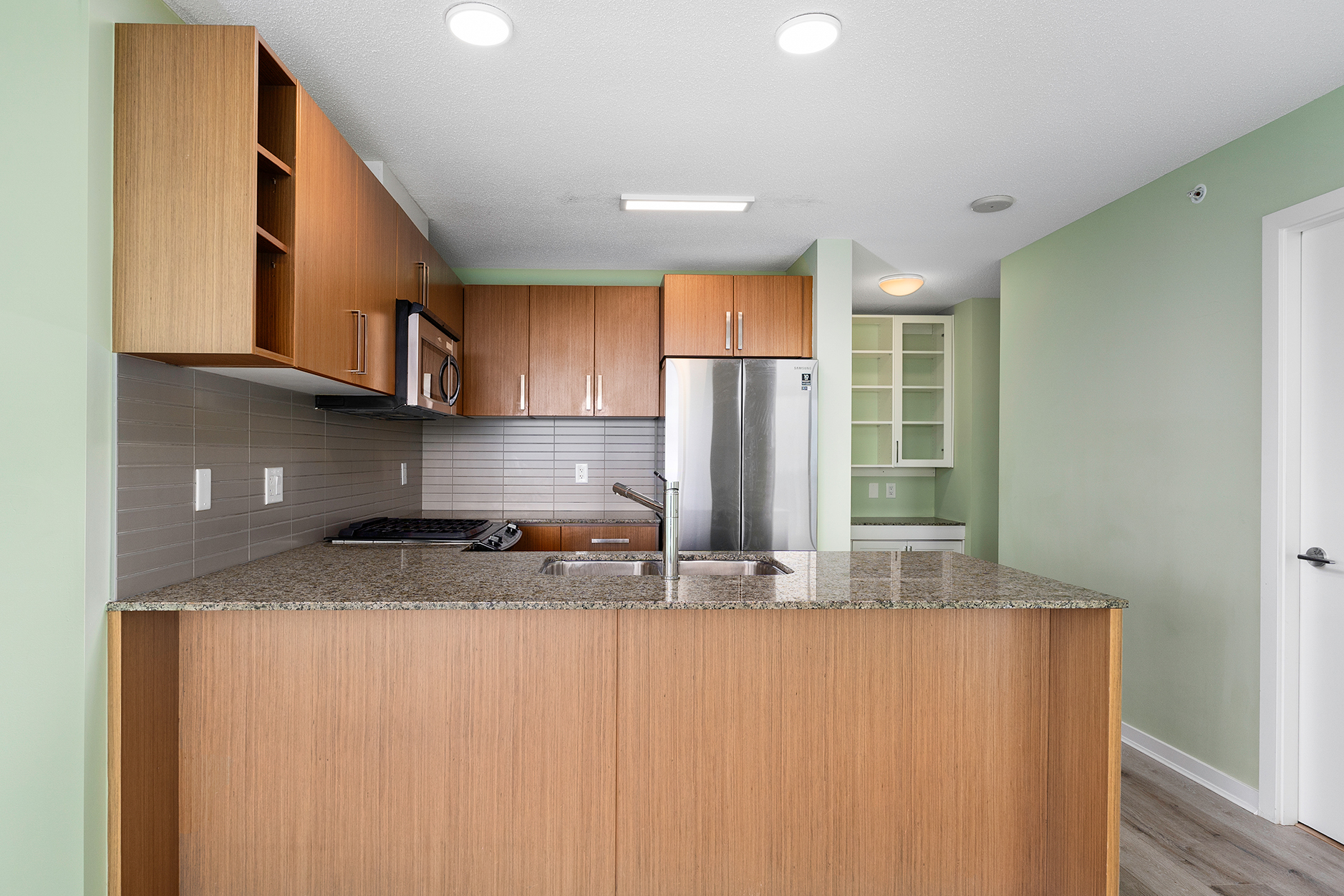
Step-by-Step Guide to Kitchen Renovation Costs
Are you planning a kitchen renovation but unsure how much it will cost? Understanding kitchen renovation costs is critical for any home improvement project. This guide will walk you through key factors that influence these costs, break down average expenses for essential elements, and assess the long-term value of your investment. By the end, you’ll have a clearer budget and better insight into how to make informed decisions during your construction journey. Let’s tackle common pain points and provide you with the knowledge to navigate your kitchen renovation successfully.
Key Takeaways
- Understanding the kitchen’s size and layout is critical for accurate renovation cost estimates
- Hiring skilled professionals can impact budget and overall renovation quality significantly
- planning for unexpected expenses is essential to maintain financial control during the renovation process
- Choosing energy-efficient appliances can lead to long-term savings and increase property value
- Designing with future lifestyle changes in mind can enhance functionality and adaptability in your kitchen
Understand the Key Factors Influencing Kitchen Renovation Costs
To accurately assess kitchen renovation costs, I recommend focusing on the size and layout of your kitchen, as these directly impact materials and labor. A skilled plumber may be necessary for plumbing adjustments, which adds to labor expenses. Don’t forget to plan for unexpected costs, ensuring that payment options, including credit cards, are ready for additional expenses that might arise.

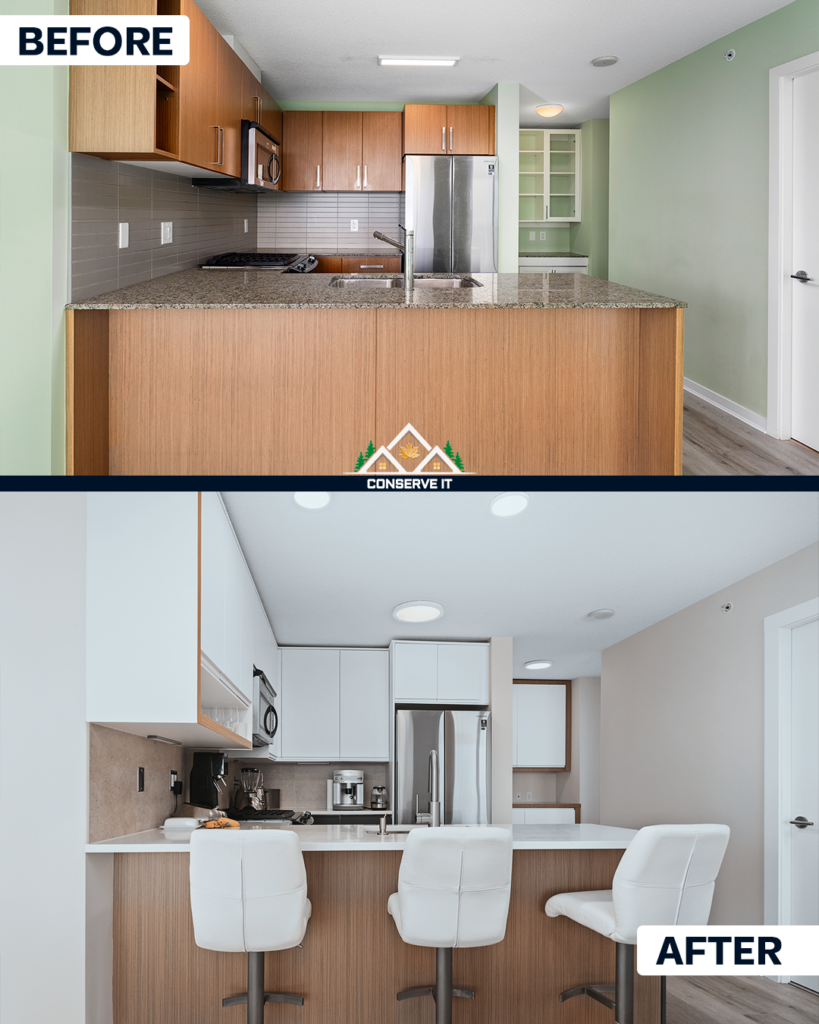
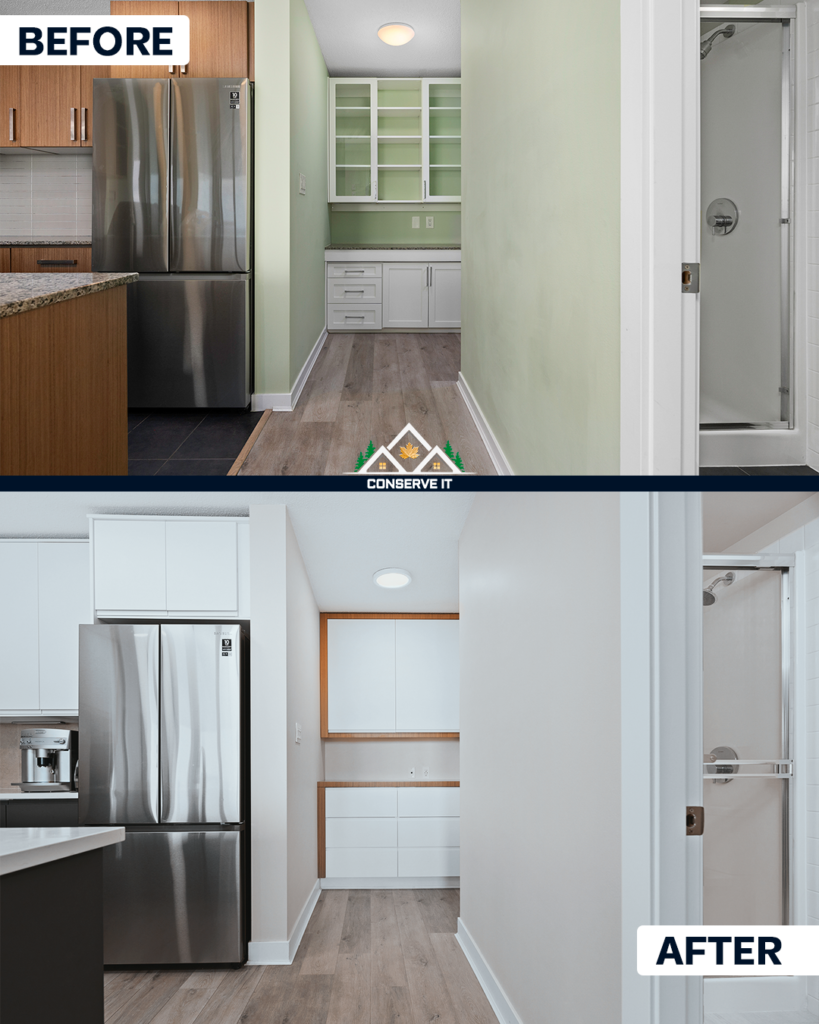
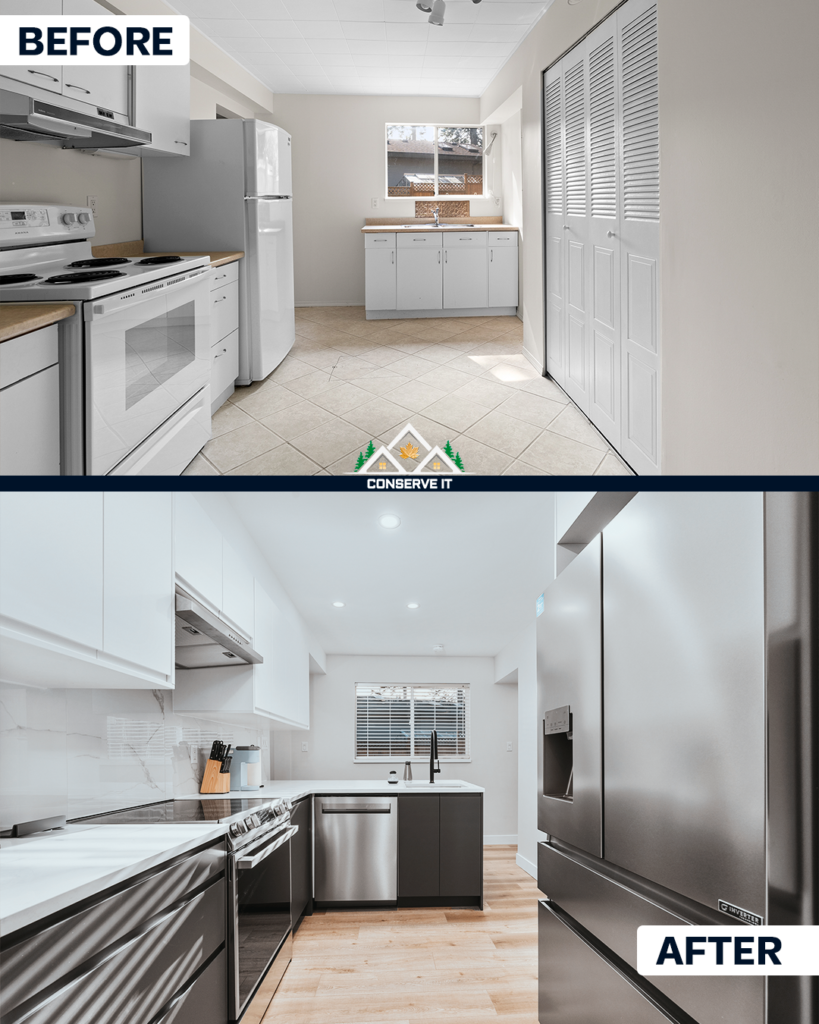
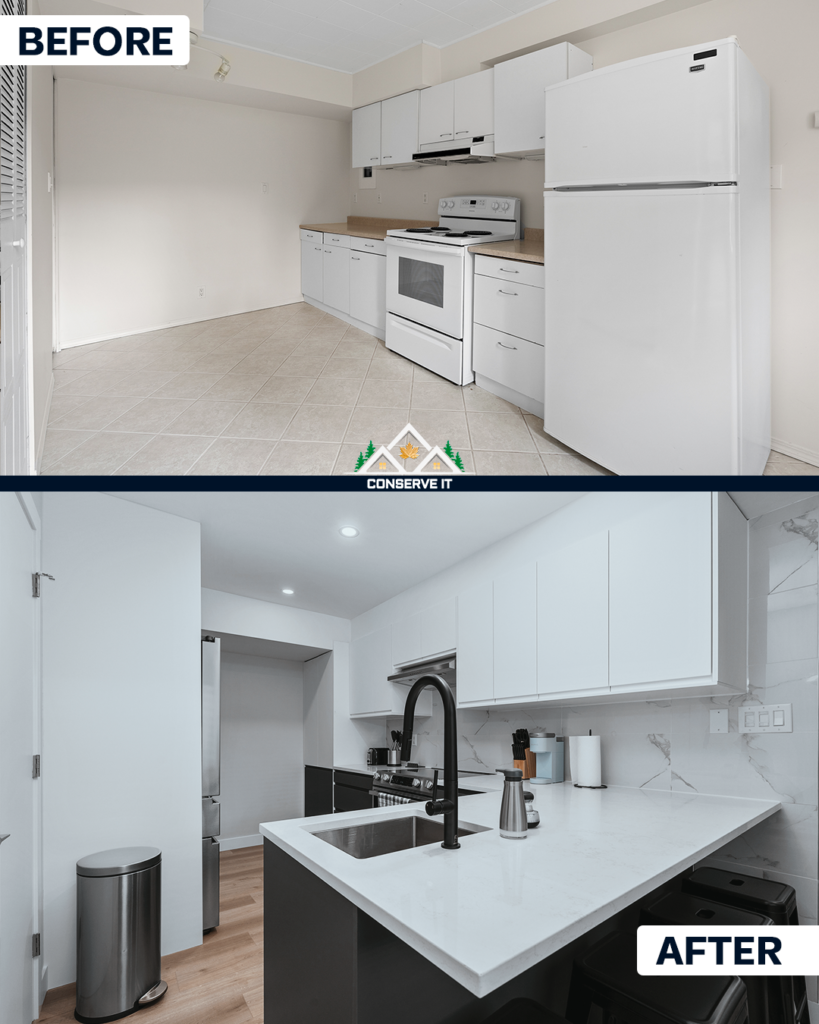
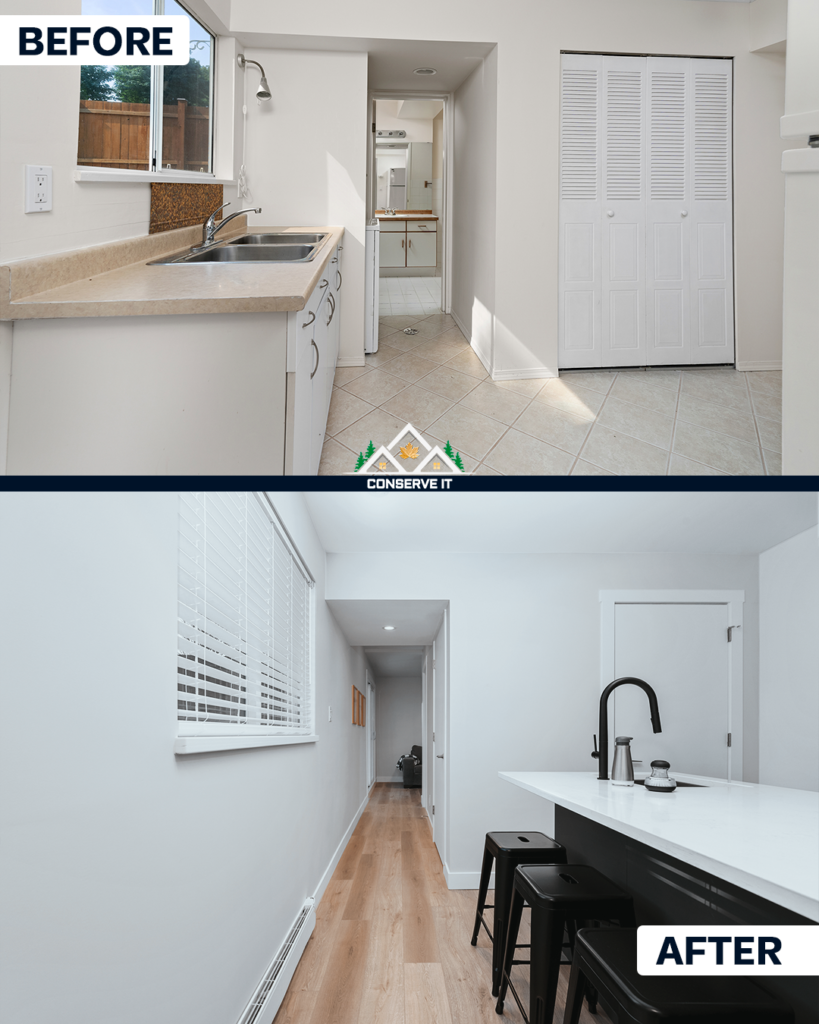



Identify the Kitchen’s Size and Layout for Accurate Estimates
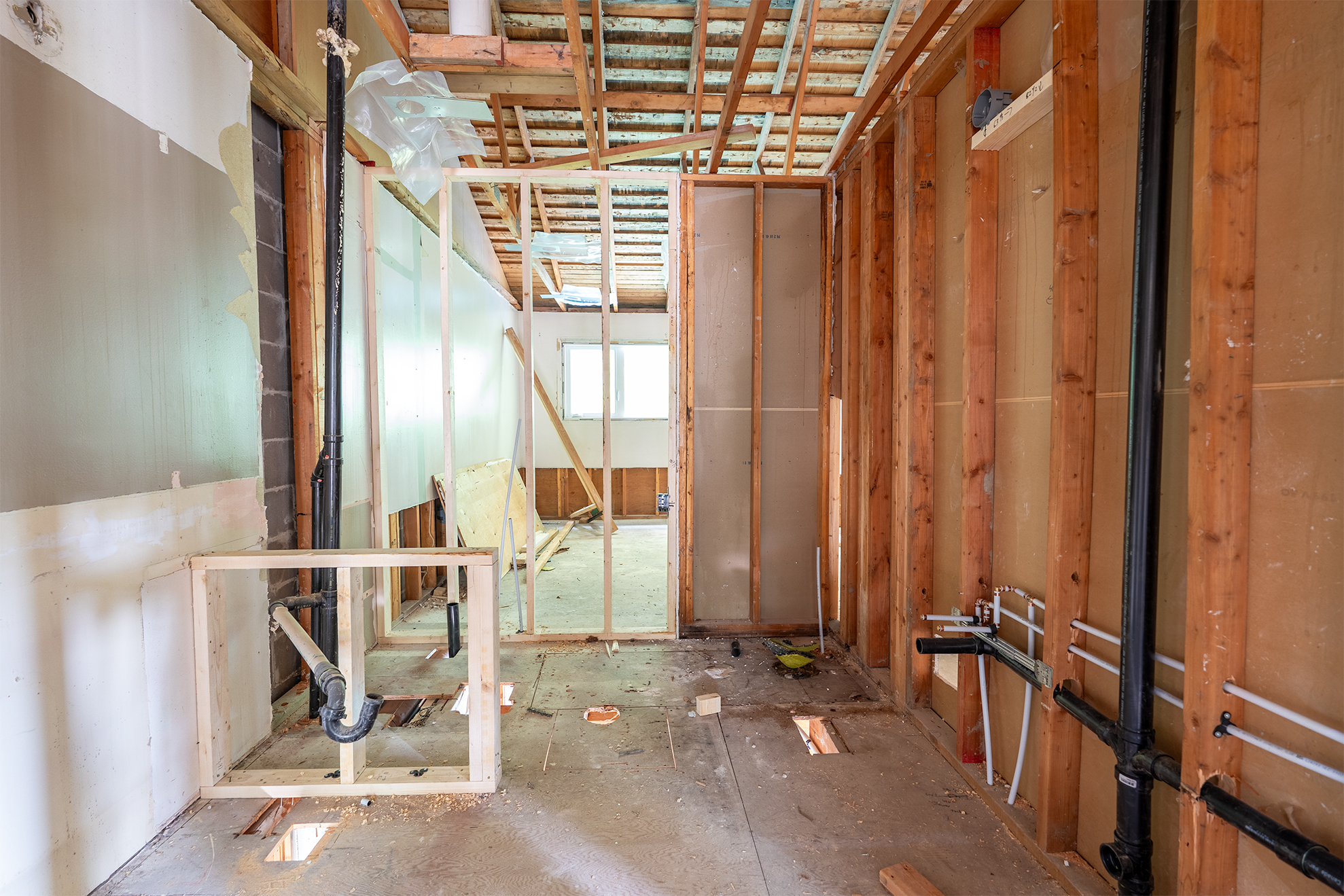
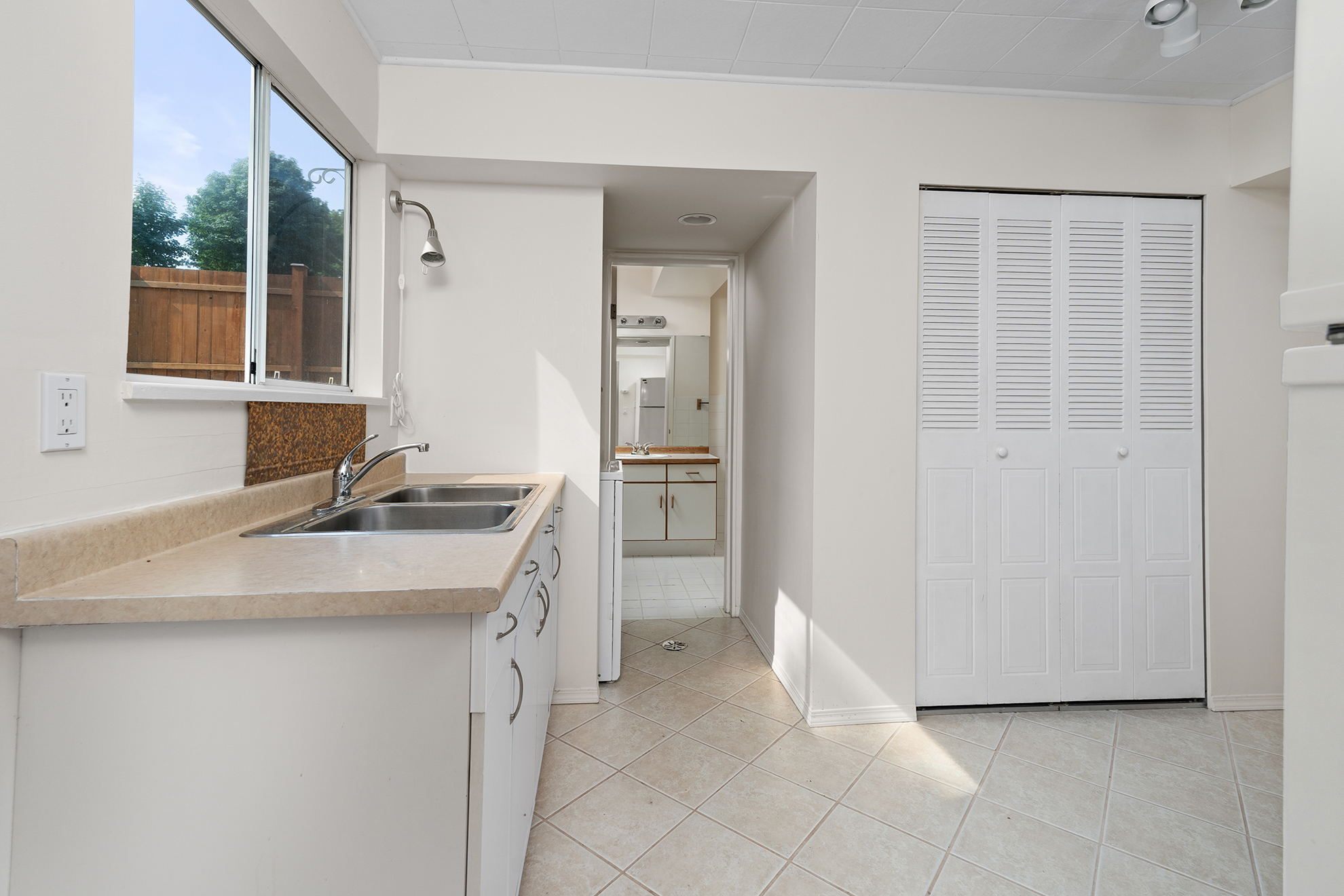
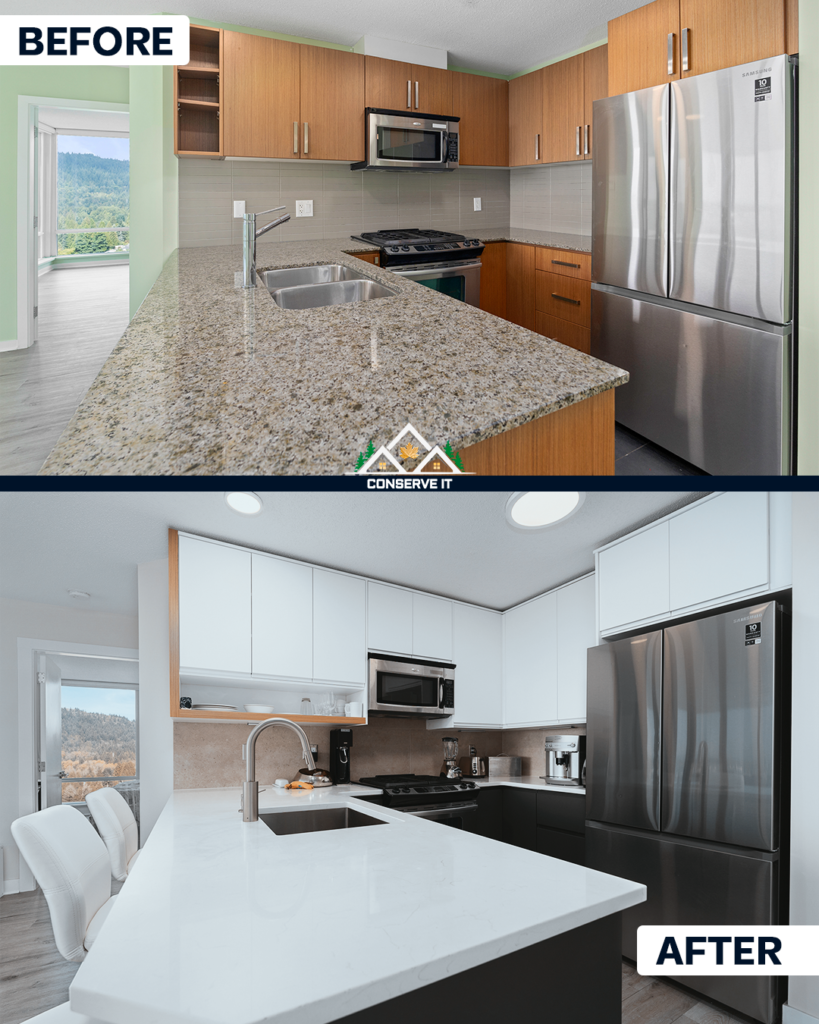
In my experience, understanding your kitchen’s size and layout is essential for providing accurate renovation estimates. Each square foot contributes to both material and labor costs, influencing the overall budget significantly. For example, if you’re planning to transform a cramped basement kitchen into a more functional space, the adjustments required may involve extra plumbing work, which can increase expenses. Having a clear layout helps when discussing contracts with contractors, so you can avoid unexpected surprises.
Furthermore, I suggest considering the impact of your kitchen’s design on potential costs, particularly regarding installation and inspections. Since structural changes can affect plumbing and electrical setups, it’s wise to have a plan in place before beginning. Having access to credit lines or payment options, like cheque payments for contractors, can alleviate financial pressure, ensuring you’re prepared for any additional costs during the renovation. Ultimately, knowing your kitchen’s layout provides a clearer pathway to managing your renovation budget effectively.
Evaluate Labor Costs Associated With Skilled Professionals
When evaluating labor costs associated with skilled professionals for your kitchen renovation, it’s crucial to understand the various trades involved. Electricians, plumbers, and carpenters all play essential roles, and their expertise can significantly affect your overall budget. For instance, if you plan to move fixtures or make changes to the walls, hiring a skilled electrician ensures that your house’s electrical system meets modern standards, which could reduce future tax implications related to home safety inspections.
Additionally, be mindful of costs that come with labor related to flooring and roofing adjustments. If your kitchen renovation requires changes to the floor or roof due to structural shifts, you’ll need to budget for the necessary labor from professionals experienced in these specific areas. It’s wise to obtain multiple quotes and assess the qualifications of the tradespeople you consider, ensuring you’re both meeting your budget and maintaining high-quality work throughout your project.
Factor in Any Unexpected Costs That May Arise During Renovation
During my kitchen renovation experiences, I’ve learned that unexpected costs can arise at any moment. For example, if we find outdated electrical systems while working with an electrician, this may necessitate upgrades to meet current safety standards, which can quickly increase expenses. Additionally, if windows need replacement for better heat insulation, the associated costs should also be factored into your overall budget.
Another common issue that I’ve encountered is the need for repairs related to plumbing or structural integrity. If a heat pump requires installation or adjustment during the renovation, the associated labor and parts can add considerable costs. It’s wise to set aside a contingency fund to address these potential pitfalls, ensuring that your renovation project stays on track financially without the stress of sudden expenses impacting your property’s transformation.
Break Down the Average Cost of Typical Kitchen Renovation Elements

Break Down the Average Cost of Typical Kitchen Renovation Elements
Understanding the average cost of kitchen renovation elements is essential for effective budgeting. I will examine countertop prices to fit various budgets, look into flooring choices and their associated costs, and investigate the expenses of plumbing and electrical work. Additionally, I’ll review appliances and their prices, including relevant options that may qualify for tax credits in Canada related to energy-efficient designs such as water heating systems.
Examine Countertop Prices to Fit Various Budgets
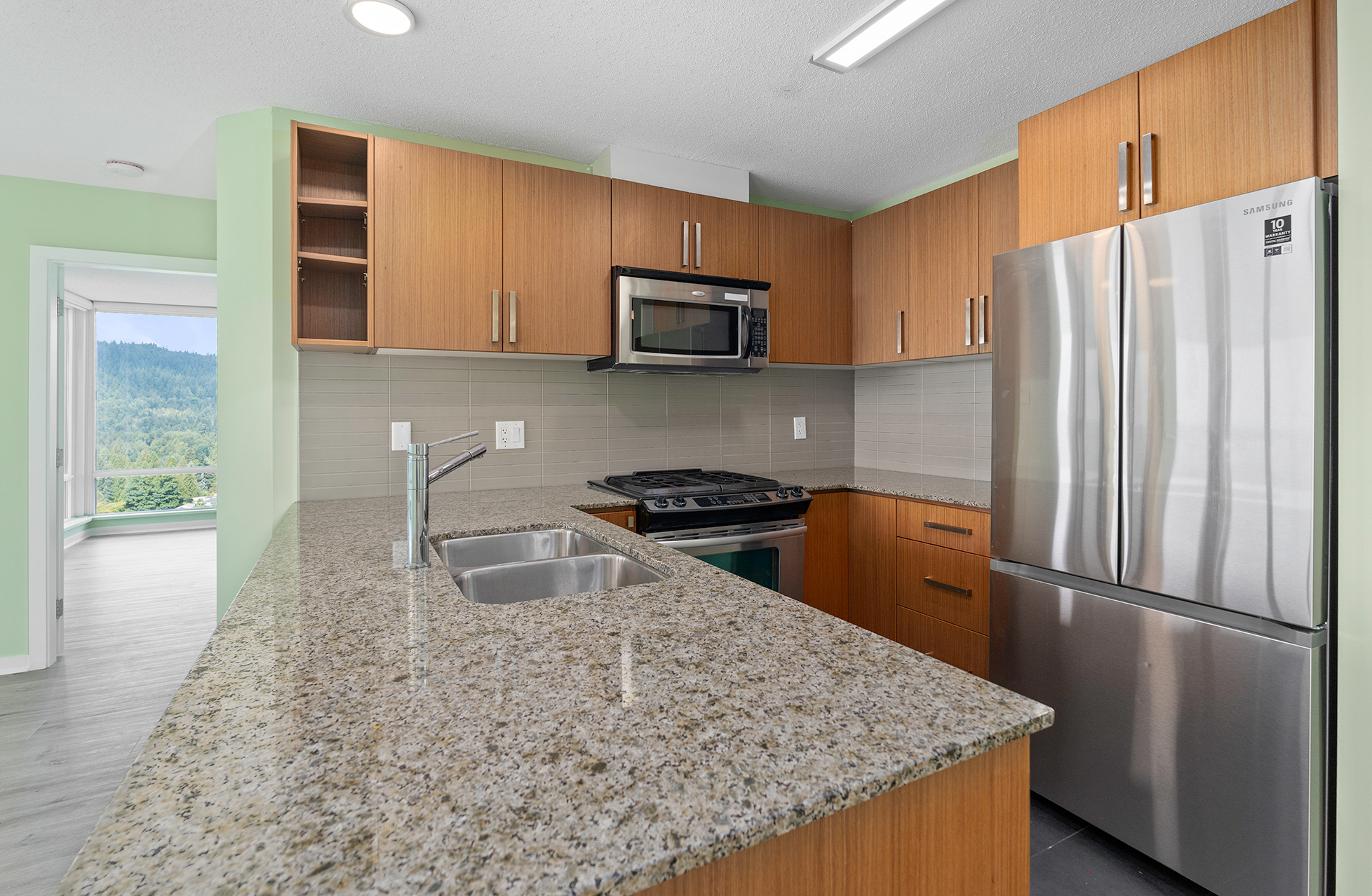
When examining countertop prices for your kitchen renovation, it’s important to consider various materials that can fit different budgets. For instance, laminates can be an affordable option, typically ranging from $10 to $30 per square foot, while natural stones like granite or quartz may cost between $50 and $150 per square foot. It’s crucial to align your choices with your equity goals, especially if you plan to increase your home’s value with your updates.
Additionally, I’ve found that the installation process can impact overall costs significantly. Hiring a general contractor may streamline the process, ensuring that plumbing and carpentry needs are met efficiently, especially if adjustments are needed for sinks or stoves. If you have a garage integrated with your home, consider how countertop choices may affect the kitchen’s flow and usability, potentially requiring modifications to accommodate larger installations or appliances.
| Countertop Material | Price Range (per sq. ft.) |
|---|---|
| Laminates | $10 – $30 |
| Granite | $50 – $100 |
| Quartz | $60 – $150 |
| Marble | $50 – $100 |
| Solid Surface | $40 – $80 |
Look Into Flooring Choices and Their Associated Costs
When considering flooring options for your kitchen renovation, I find that understanding the scope of choices can save you both time and cash. For example, luxury vinyl planks provide an attractive and durable finish at a reasonable cost, typically ranging from $2 to $7 per square foot while laminate flooring is also popular for budget-friendly renovations, often costing around $1 to $5 per square foot. However, high-end options like hardwood can be significantly pricier, sometimes exceeding $10 per square foot, so it’s wise to evaluate how these decisions align with the overall investment in your property.
Additionally, if you live in a condominium or are planning a secondary suite, it’s essential to factor in any potential insurance implications related to your flooring choice. Waterproof options may be required in certain areas, especially for insurance coverage against water damage. This insight allows me to recommend not just visually appealing solutions but also practical choices that fulfill safety standards and meet your renovation goals effectively.
Investigate the Expenses of Plumbing and Electrical Work
When undertaking a kitchen renovation, accounting for plumbing and electrical work is essential, as these expenses can significantly impact your budget. In my experience, electrical wiring, especially if you are upgrading appliances or changing the layout, can cost anywhere from $500 to $2,000 depending on the complexity of the job. Additionally, if air conditioning adjustments are needed for better airflow, that can also affect your overall expenditure, so having a clear understanding of these costs upfront is a smart move.
Moreover, considering potential rebates for energy-efficient installations can lessen the financial burden related to plumbing and electrical work. I recommend researching local incentives or programs that may apply when you’re upgrading to modern fixtures or systems. This not only helps in managing costs effectively but also enhances the overall efficiency of your kitchen, ultimately increasing the value of your home.
Review Appliances and Their Prices Within Your Budget Range
When assessing appliances for your kitchen renovation, it’s essential to consider both functionality and pricing. For instance, a new furnace may fit your heating needs, but it’s crucial to ensure that any installation aligns with the local building code. I often recommend investing in energy-efficient appliances, including those compatible with solar panel systems, as they can lead to significant savings both in the short and long term due to lower utility bills.
Accessibility is another factor I keep in mind while selecting kitchen appliances. Ensuring that appliances are user-friendly, especially for individuals with mobility issues, can greatly enhance the overall kitchen experience. I suggest evaluating your options based on durability, energy consumption, and how they contribute to the development of a modern, efficient kitchen. Taking the time to research and compare prices within your budget can pave the way for a successful renovation that meets both practical needs and aesthetics.
Assess the Long-Term Value of Kitchen Renovations

Renovating a kitchen can be a significant expense, yet it often leads to long-term benefits. I assess how renovations can boost home resale value and factor in lifestyle changes or family needs that may arise in the future. In this section, I’ll outline how elements like drywall upgrades, warranties on appliances, and even considerations for pumps enhance overall value. Additionally, I’ll discuss how creating a line of credit can help finance these efforts.
Evaluate How Renovations Can Increase Home Resale Value
Renovating a kitchen can significantly boost your home’s resale value. In my experience, potential buyers are often drawn to updated spaces that showcase modern design and functionality. For example, making structural improvements, such as reinforcing the ceiling or addressing asbestos concerns in older homes, can lead to higher offers in competitive markets like Toronto.
Additionally, items such as a well-drafted drawing of the renovation layout can enhance buyer interest by demonstrating an efficient use of space. I often keep receipts for all renovation-related expenses, which can serve as evidence of quality work and investments made, further appealing to prospective buyers. A carefully planned kitchen not only satisfies personal needs but also positions your property more favorably in the real estate market.
- Raising property value through kitchen renovations
- Importance of addressing structural issues
- Utilizing detailed drawings to attract buyers
- Keeping receipts to showcase investment quality
- Creating an appealing atmosphere for potential buyers
Factor in Lifestyle Changes and Family Needs for the Future
When planning a kitchen renovation, considering future lifestyle changes is essential. As families grow or evolve, needs may shift; for instance, you may require additional space for dining as children grow or for entertaining guests. I often recommend designing kitchens with adaptable layouts, which can incorporate features like adjustable lighting and expanded room configurations to accommodate potential changes in the family dynamic.
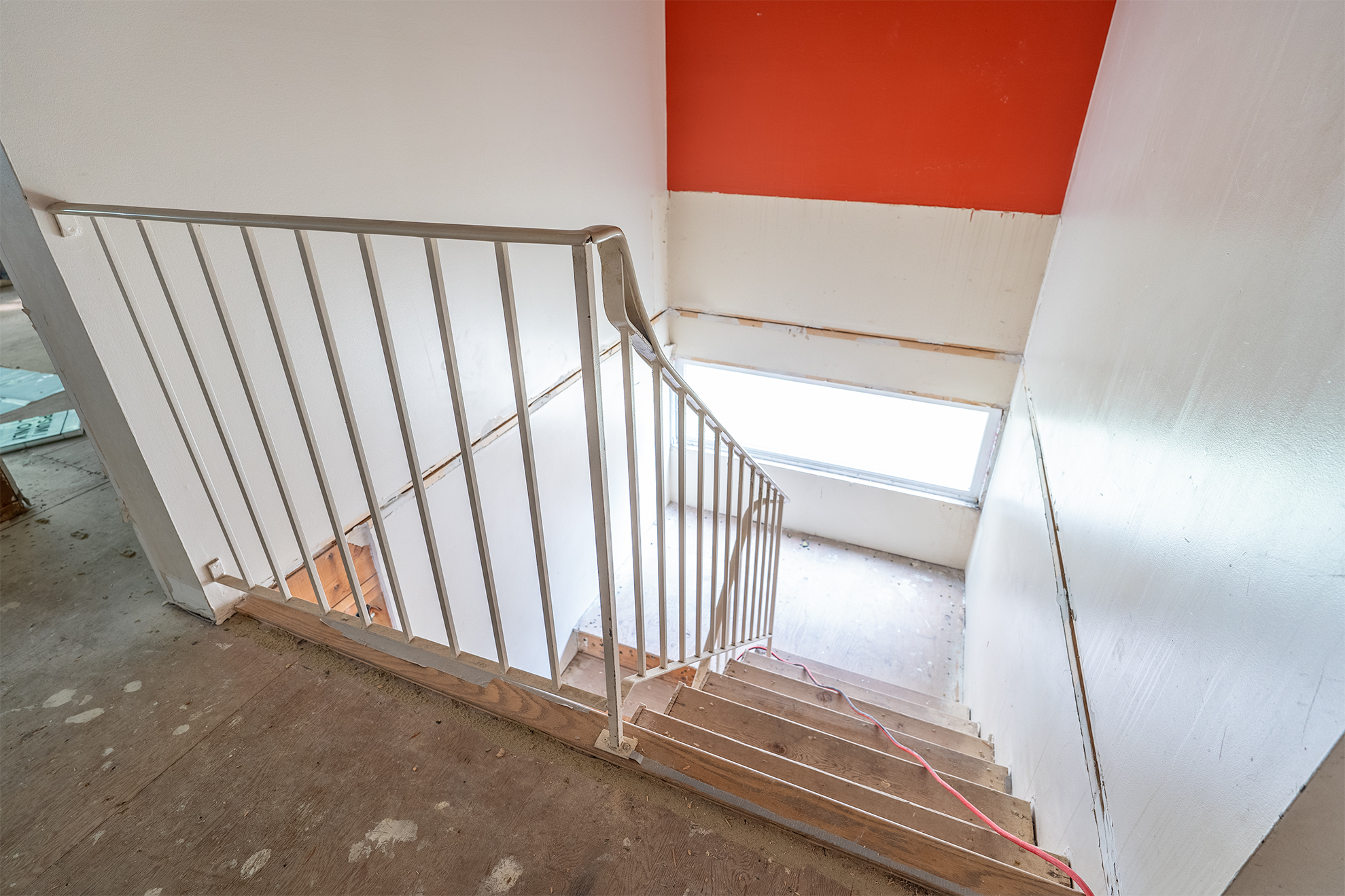
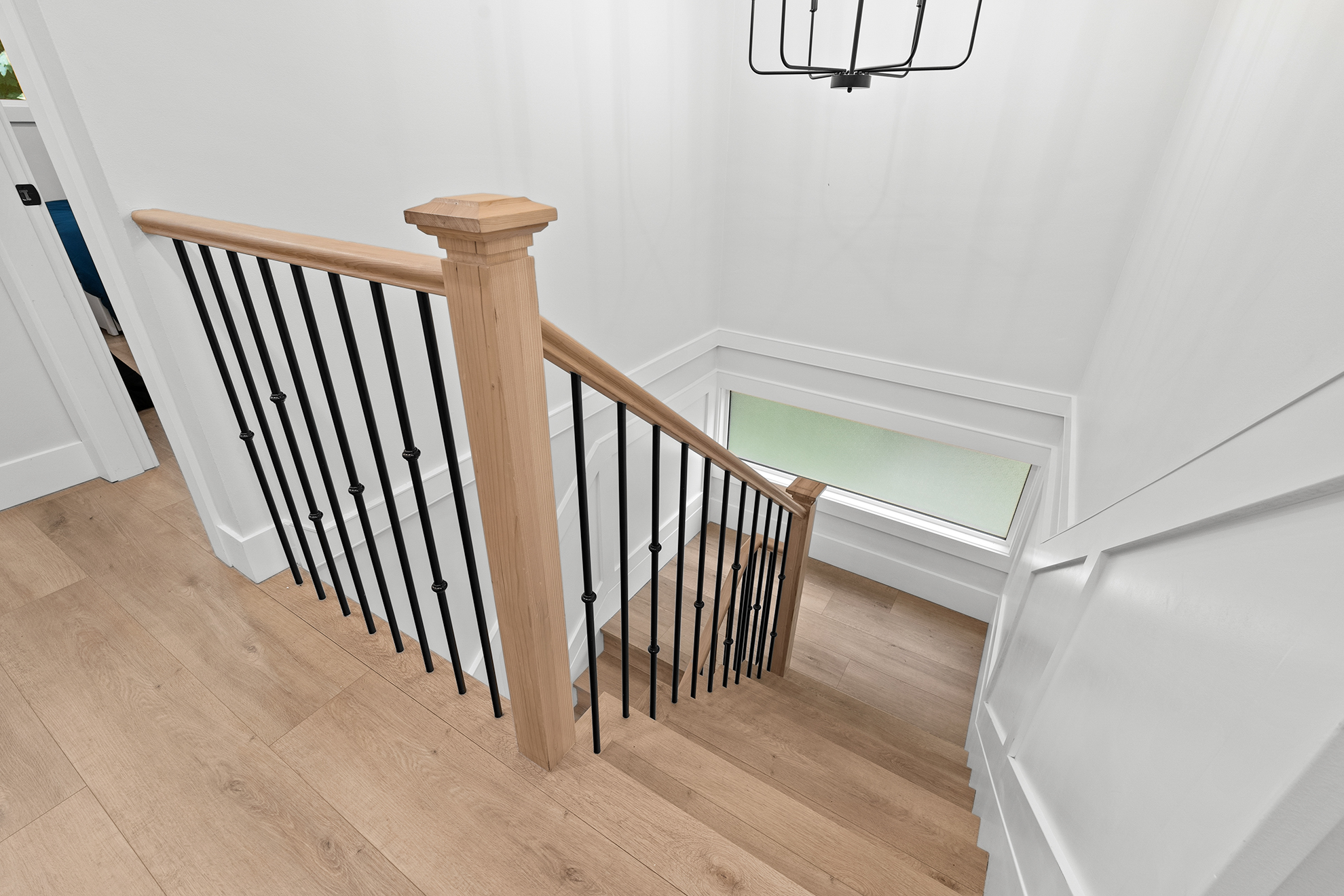
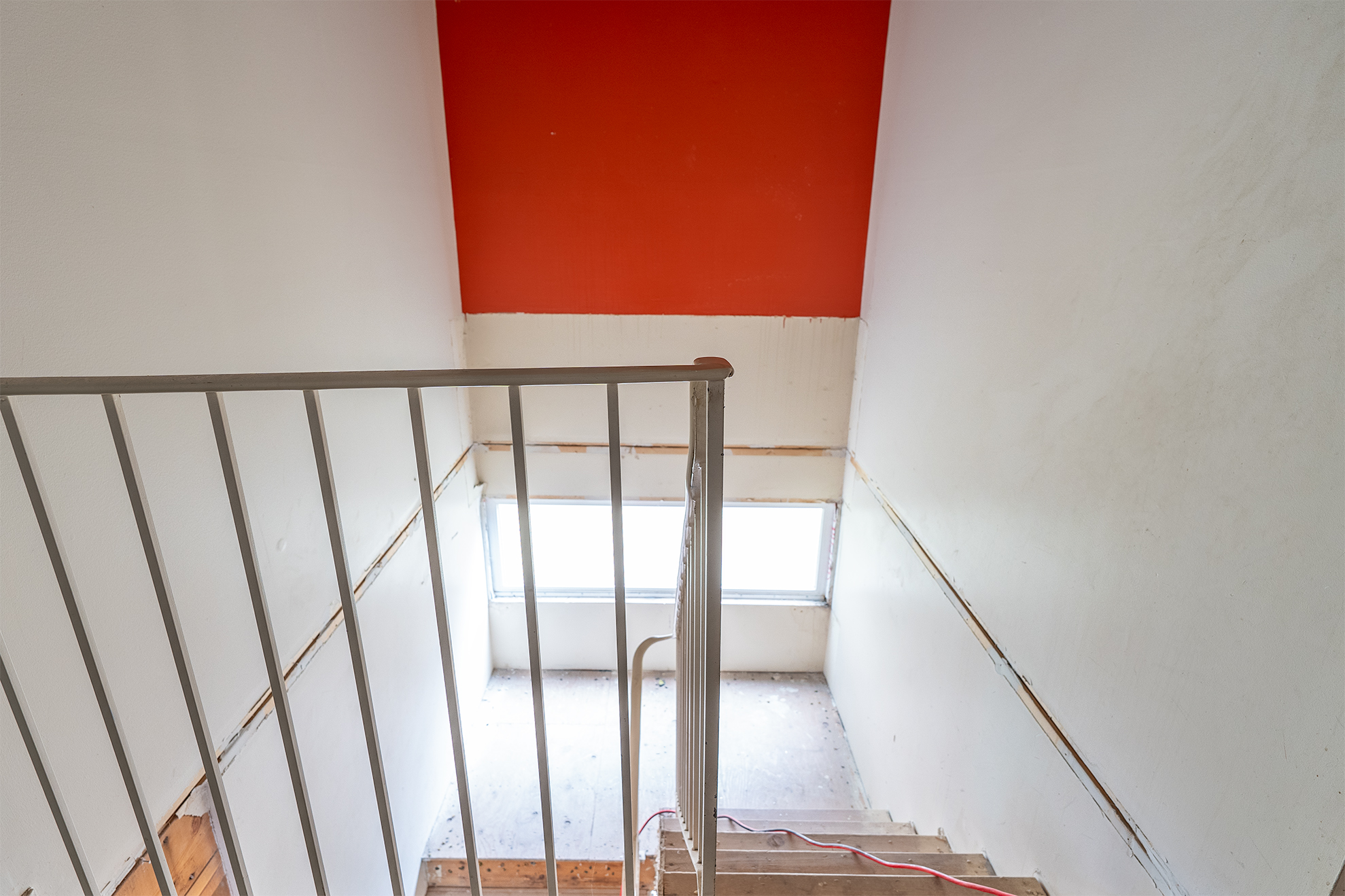
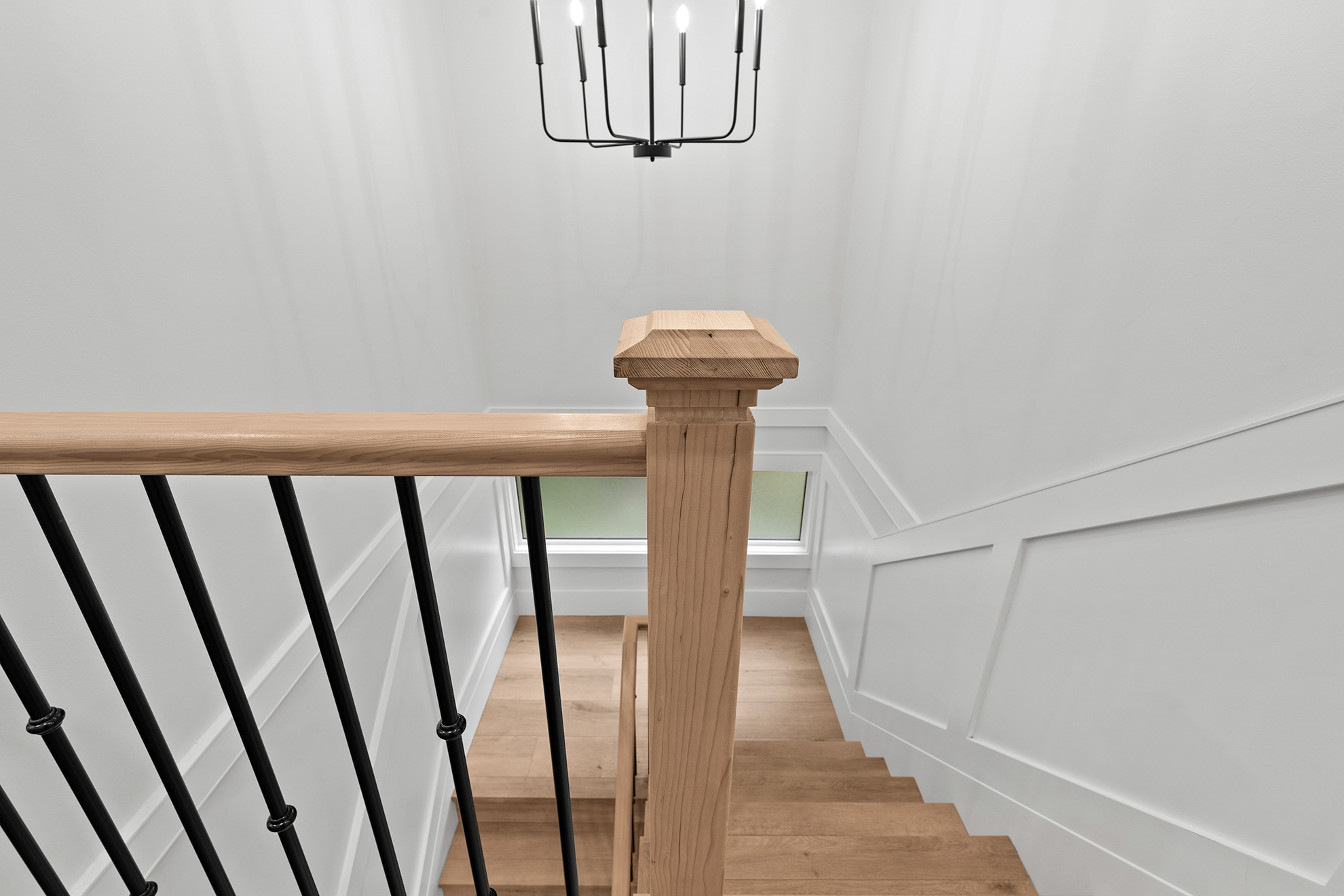
As I’ve experienced, integrating functional elements such as easy access stairs can ensure safety and convenience for all family members. Additionally, planning for efficient use of the driveway can also play a role in how welcoming the kitchen feels, especially during social gatherings. By considering these factors, homeowners can make informed decisions that not only enhance their current lifestyle but also increase their home’s long-term value, positively affecting aspects like down payment readiness when it comes time to sell.
| Considerations for Future Lifestyle Changes | Potential Actions |
|---|---|
| Family Growth | Design flexible spaces for dining and entertaining. |
| Accessibility Needs | Incorporate features like easy access stairs and open layouts. |
| Hosting Requirements | Install additional lighting and open rooms for larger gatherings. |
| Overall Home Functionality | Assess the integration of outdoor spaces like the driveway. |
Frequently Asked Questions
What are the main factors that affect kitchen renovation costs?
Several factors influence kitchen renovation costs, including materials, labor, design complexity, and fixtures. Budget considerations, local market rates, and the overall scope of the project also play significant roles in determining the final expenses.
How can I estimate the cost of my kitchen renovation elements?
To estimate the cost of your kitchen renovation elements, gather quotes from contractors, research prices for materials, and consider labor costs. Creating a detailed budget will help you understand the overall financial impact of your project.
What is the average cost for a kitchen remodel?
The average cost for a kitchen remodel ranges from $15,000 to $50,000, influenced by factors like size, materials, and design complexity. Careful budgeting can help achieve desired results while staying within financial limits.
Are kitchen renovations worth the investment in the long term?
Kitchen renovations can significantly increase your home’s value and appeal, making them a worthwhile long-term investment. By updating fixtures, layouts, and appliances, homeowners can enjoy enhanced functionality and aesthetics, resulting in better resale potential.
How do I prioritize spending for my kitchen renovation project?
To prioritize spending for your kitchen renovation, identify essential upgrades, set a realistic budget, and allocate funds towards durable materials and efficient appliances. Focus on functionality first before considering cosmetic enhancements for greater long-term value.
Conclusion
A step-by-step guide to kitchen renovation costs equips homeowners with the essential knowledge to manage their budget effectively. Understanding factors like size, layout, and skilled labor helps to anticipate expenses and avoid surprises during the renovation process. It emphasizes the importance of planning for unexpected costs and exploring ways to maximize potential value, ensuring that every investment enhances both functionality and aesthetics. By taking these insights into account, homeowners can confidently navigate their kitchen transformation while safeguarding their financial resources.